Blog
What is a Single Family Home? A Utah Homebuyer's Guide
Deciding to move usually means looking closer at the different types of housing available in your area. When you are scrolling through real estate listings, it’s easy to get the different categories mixed up, especially with condos and townhomes in the mix. Knowing exactly what makes a single-family home different can help you figure out if it is the right move for you.
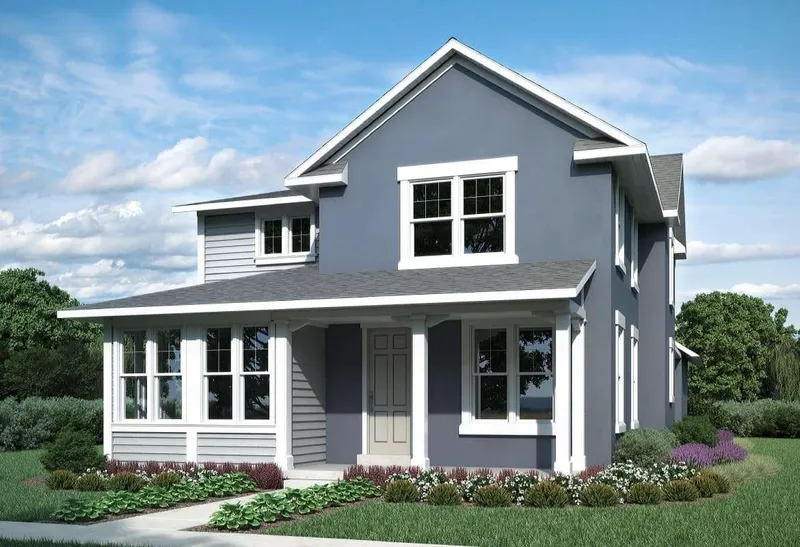
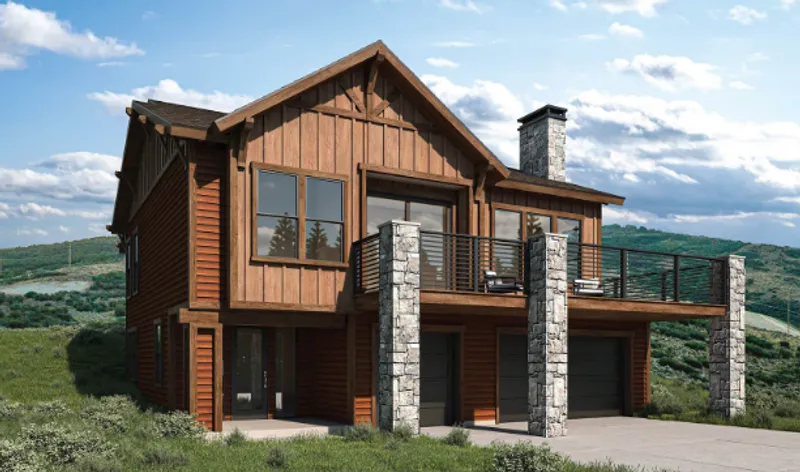
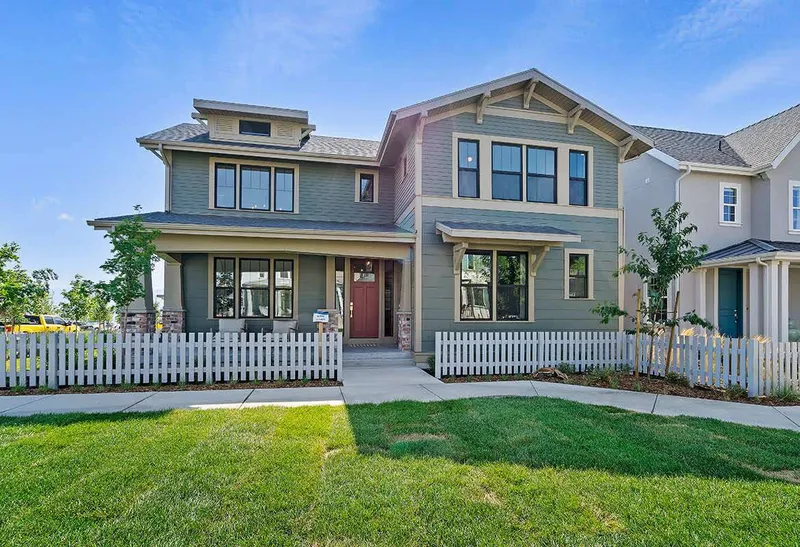
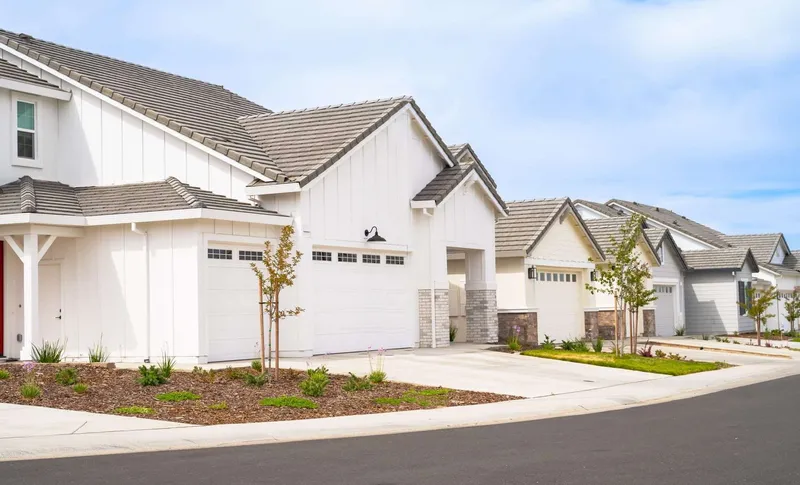
At Holmes Homes, we build residential properties designed for how people actually live. A single-family detached home is just a freestanding house that sits on its own piece of land. There are no shared walls with neighbors, which is the biggest difference between this and a condo or a townhome.
This setup gives you more privacy and your own outdoor space. Picking a new home from a builder you trust means you get the space and quality you need without having to worry about the surprises that come with older houses.
What is a Single Family Home?
When you start looking at home sales, it helps to understand the specific requirements that define a single-family home. These properties offer a level of independence and privacy that remains a top priority for many buyers.
Independent Structure and Privacy
The most significant factor that sets these houses apart is that they are freestanding. Unlike townhouses or row houses that share walls with neighbors, a single-family home does not share any part of its structure with the building next door.
Not having shared walls is a major advantage for those who want a quiet environment without the noise of adjacent neighbors. Because the home sits on its own lot, you have total control over your yard and how you want to utilize your outdoor space.
Consistent Neighborhood Character
Local zoning laws play a major role in defining where these homes are located. Most cities set aside specific residential areas exclusively for single-family houses.
Land Use Protections: These zoning rules generally prevent large apartment buildings or high-rises from being built directly next to your property.
Stable Environment: This keeps the neighborhood feeling consistent and predictable, which is a key factor many first-time buyers look for during their search.
Ownership and Maintenance Responsibilities
From a legal standpoint, you usually own these homes in “fee simple.” This means you own the building and the land it sits on, rather than just the air space inside the walls.
Fee Simple Ownership: You have full authority over the land and the structure, within the limits of local laws or HOA guidelines.
Self-Contained Maintenance: Even if the neighborhood has an HOA, you won’t have to deal with shared hallways or elevators. Your maintenance is focused entirely on your own property, from the shingles on the roof to the foundation under your feet.
Single Family Home Characteristics at a Glance
Freestanding Design: No shared walls or structural components with neighboring buildings.
Private Lot: Dedicated land ownership surrounding the home.
Single Utility Meter: Typically has its own independent connections for water, gas, and electricity.
Defined Entrance: Features its own private entrance directly from the street or a dedicated walkway.
What is the Difference Between Single Family Homes, Townhomes and Condos?
Deciding between a single-family home and a condo or townhouse usually comes down to your budget and the level of privacy you want. The primary differences involve who owns the land and whether you share walls with your neighbors.
Townhouses and Row Houses
In a townhouse, you typically own the ground your unit sits on, but the structure remains connected to adjacent neighbors.
Because you are physically connected to neighbors, renovations or exterior changes can be more complicated since they may impact the shared structure. These often provide a more accessible price point than detached homes while still offering a small private yard or patio.
Condominiums and Shared Spaces
Condos are a different setup altogether. When you buy a unit in a large complex, you generally only own the air space inside your walls.
Common Ownership: The exterior of the building, the roof, and the hallways are owned collectively by the association.
HOA Fees: You will typically see higher monthly fees, as that money covers the upkeep of shared amenities like gyms, pools, or elevators.
Maintenance-Free Living: While you lose control over the property’s exterior, you aren’t responsible for mowing the lawn or shoveling snow.
The Benefits of a Detached Home
For many buyers, the choice is about independence. A detached single-family house offers a level of autonomy that multi-family properties cannot match.
Maximum Privacy: You won’t have to worry about hearing a neighbor through a shared wall.
Total Control: You have the final say on any upgrades, landscaping changes, or exterior renovations you want to make to the property.
Private Outdoor Space: A single-family house provides a yard that you don’t have to share with dozens of other people.
Single Family vs Townhome vs Condo
Single-Family Home: Detached structure, private land ownership, maximum control, and highest level of privacy.
Townhome: Attached structure, individual land ownership, moderate privacy, and often includes some exterior maintenance.
Condo: Unit ownership only, shared land and amenities, lowest maintenance, and higher monthly association fees.
The Financial Side: Down Payments, Loans, and Taxes
Buying a freestanding home involves a unique set of financial considerations. Understanding how lenders view these properties and how ongoing costs are structured can help you plan your budget more effectively.
Financing and Mortgage Options
Lenders often view a single-family home as a lower risk than an investment property or a multi-family unit. This can provide several advantages during the loan application process:
Interest Rates: Because of the lower perceived risk, you can sometimes secure more competitive interest rates on your mortgage.
Upfront Costs: Your down payment and closing costs will depend mostly on the total price and the current state of the local real estate market.
Loan Variety: From FHA to conventional loans, buyers often have a wider range of financing programs available for detached residences.
Ongoing Costs and Tax Considerations
Owning a detached home means planning for ongoing expenses that differ from those of a condo or townhouse.
Property Taxes: Because your purchase includes the land the house sits on, the assessed value, and your resulting tax bill, may be higher than that of a unit in a shared building.
Maintenance Independence: While you may skip the high monthly HOA fees associated with condos, you are responsible for 100% of the repairs and yard work.
Utility Costs: Since you aren’t sharing walls, your heating and cooling costs may vary more based on the efficiency of your specific structure.
Building Long-Term Wealth
A single-family home is a stable way to build wealth over time. Unlike renting, where your monthly payment goes to a landlord, every mortgage payment builds equity. Since you are in charge of renovations, you can choose to add square footage for a home office or upgrade the kitchen to directly increase the market value of your property.
Historically, detached homes on private lots tend to appreciate steadily, providing a strong financial foundation for the future. While it’s a big financial step, the freedom and long-term security of owning a freestanding home are often worth the initial effort.
The Pros and Cons of Single-Family Living
Choosing a single-family house is a big lifestyle decision. While it offers the highest level of independence, it also requires a more hands-on approach to property management than other housing types.
The Benefits of Independence
For most buyers, the primary draw is the freedom to customize the property. When you own a freestanding house, you have the authority to make major changes without needing to ask a board for permission.
Structural Freedom: You can take on significant projects, like building a deck or knocking out a wall to expand your kitchen, to suit your specific needs.
Outdoor Space: This type of home typically offers the most yard space, providing plenty of room for a garden, a play area, or a private pool.
Privacy and Quiet: Without shared hallways or common walls, you can enjoy a quiet environment and a level of privacy that condos or apartments cannot provide.
The Responsibilities of Ownership
That independence also means you are the sole person responsible for the upkeep of the building and the land.
Full Maintenance: Unlike a townhouse where an association might handle snow removal or roof repairs, a single-family owner must manage these tasks personally.
Time and Budgeting: From monitoring the condition of the roof to keeping up with weekly yard work, the costs of your time and money can add up quickly.
The “Rental Transition”: For first-time buyers, moving from a rental—where a landlord handles all maintenance—to owning a detached house is often a significant adjustment.
Social and Long-Term Considerations
There is also a social dynamic to consider when moving into a detached home. While some people enjoy the built-in community feel of a condo, others find they are much more comfortable with the distance of a private lot.
You have total control over your interactions with neighbors, with no shared indoor spaces. From a financial standpoint, single-family homes have traditionally been a very reliable way to build long-term wealth compared to other types of housing.
Summary of The Pros and Cons of a Single Family Home
The Pros
Maximum Privacy: No shared walls or floors with neighbors.
Total Control: Final say on all renovations and landscaping.
More Space: Generally offers more square footage and larger outdoor areas.
The Cons
Higher Costs: Typically requires a larger down payment and higher utility bills.
Full Responsibility: You are in charge of all repairs and exterior maintenance.
Less “Built-In” Community: Fewer interactions in common areas compared to condos.
Is a Single-Family Home Right for You?
Deciding on a new home is a significant milestone. As we have explored, a single-family home is defined by more than just the absence of shared walls, but creates a specific lifestyle that prioritizes privacy, independence, and long-term stability.
Final Decision Checklist
Do you value privacy over shared amenities?
Are you prepared to handle your own yard work and exterior repairs?
Do you need a private outdoor space for children, pets, or gardening?
Is building long-term equity through home improvements a priority for you?
Does your budget account for property taxes and homeowners’ insurance?
Browse Single Family, Townhome and Condo Communities From Holmes Homes Today
At Holmes Homes, we understand that your house is more than just a residential property. By choosing a single-family home in one of our thoughtfully planned communities, you are making a long-term investment in quality and comfort.
From the initial down payment to the day you move in, our team is dedicated to helping you navigate the complexities of home sales and zoning to find the perfect fit. A single-family house might be exactly what you need to start your next chapter. Browse our single-family homes, townhomes, and condominiums today on our website.